
You might find yourself reflecting on the magnetic pull of the Gates of Olympus and how it can ensnare even the most careful players. Betting addiction can sneak in silently, leaving a wake of challenges in its path. In our recovery session, you’ll hear personal stories and discover therapeutic strategies that promote healing. But what lies ahead for you on this journey? The path to healing might just astonish you.
Key Takeaways
- Engaging in a recovery session for gambling addiction can help liberate from the loop of pursuing losses with games like Gates of Olympus 1000 machine.
- Support groups in the UK offer common experiences and accountability for those healing from betting addiction.
- Healing approaches, such as CBT, can address harmful thought patterns associated with betting behaviors and enhance coping strategies.
- Setting boundaries on betting activities, including time and money limits, is essential for controlling behaviors efficiently.
- Acknowledging small victories during recovery strengthens progress and encourages individuals to maintain better betting habits.
Understanding the Attraction of Olympus Gates
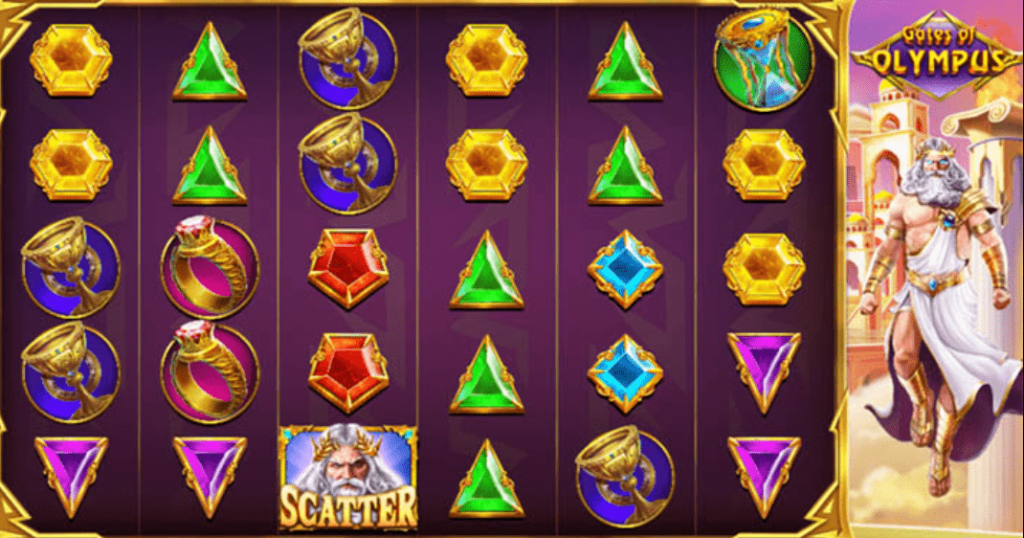
What makes Gates of Olympus so enthralling? It’s the perfect blend of breathtaking visuals, engaging gameplay, and the potential of hitting the jackpot. As you turn the reels, you’re drawn into a world filled with mythical gods and vibrant colors, heightening your excitement.
The distinctive mechanics, like falling wins and multipliers, keep you on your toes, creating an excitement rush with each spin. You can’t help but immerse yourself in the captivating soundtrack that enhances the theme wonderfully.
The potential for substantial payouts introduces an additional dimension of adrenaline, making every game session feel electric. Gates of Olympus welcomes you to discover and participate, presenting an getaway where luck and planning blend in memorable ways.

The Influence of Gambling Addiction
Gambling addiction can hit you intensely in various ways. You might face grave financial struggles, emotional distress, and even social alienation from friends and family.
Comprehending these consequences is vital for anyone seeking to liberate themselves from the pattern of addiction.
Financial Consequences of Gambling
While many relish the excitement of games like Gates of Olympus, the financial repercussions of gambling can quickly snowball out of control.
You might commence with small bets, but before you know it, you’re hunting losses and escalating your wagers. Each loss drives the urge to retrieve your money, leading in greater financial troubles.
Your bank account shrinks, and mounting debts can cause stress and anxiety. You may discover yourself lending from friends or taking out loans just to keep playing.

This loop can threaten not only your finances but also your stability. It’s imperative to recognize when gambling evolves from a diversion into a perilous obsession that strains resources and threatens your financial security.
Emotional Toll on Individuals
As the rush of winning diminishes, the emotional impact of gambling addiction can become overwhelming. You might realize yourself grappling with feelings you never imagined, feeling a whirlwind of emotions that can feel overpowering.
- Anxiety about losses
- Guilt for ignoring loved ones
- Depression from unachieved dreams
- Frustration over absence of control
- Shame from secret behaviors
These emotions can form a destructive cycle, where each loss exacerbates your despair. You may try to escape through additional gambling, chasing that elusive high again.
But as you chase successes, the truth of your circumstance becomes more burdensome. Acknowledging these emotions is the first step toward healing and reclaiming your life from the clutches of gambling addiction.
Social Isolation and Stigma
The emotional turmoil brought on by gambling addiction often leads to social isolation, intensifying the challenge for those affected.
You might find yourself retreating from friends and family, feeling too ashamed to disclose your circumstance. This isolation can deepen your despair, making recovery seem even more out of reach.
The stigma surrounding gambling addiction exacerbates the difficulty, as society often views it as a moral failing rather than a medical condition. You may dread criticism and mockery, which only reinforces your desire to conceal.
Understanding that you’re not alone can be crucial in overcoming these emotions. Support groups and therapy can provide safe spaces for connection, enabling you escape from isolation and rebuild your social networks as you embark on your recovery journey.
Personal Stories of Recovery
As you listen to personal stories of recovery, you’ll recognize how overcoming past challenges can influence your journey.
You’ll understand that having a strong support network is crucial in this process, providing the motivation you need to progress.
In the end, these experiences emphasize the incredible potential for personal growth that comes with each step made.
Overcoming Past Challenges
When you confront your past challenges, it often seems like climbing an insurmountable mountain. The weight of your experiences can be onerous, but each step becomes a proof to your resilience.
Reflecting on your journey, you understand:
- You’ve come to pardon yourself for past mistakes.
- You’ve found new coping strategies that work for you.
- You’ve rejoiced in small victories that reassure you of progress.
As you face each challenge, remember that recovery isn’t direct. It requires patience and a willingness to learn from the past.
Every struggle you’ve overcome brings you closer to the pinnacle of your journey and a better future.
Support Network Importance
While navigating the rough waters of recovery, having a solid support network can make all the difference. Friends, family, and even fellow recovery members play essential roles in your journey. Their encouragement can elevate you during the hardest days.
You might recall a time when a quick call or message from someone who understands your struggles revived your motivation. Sharing your experiences with others who’ve been through comparable challenges helps you feel less alone. They remind you that you’re not alone in this process.
Leaning on these relationships, celebrating small victories together, and accepting their compassion can provide strength and resilience. In this journey, your support network isn’t just beneficial; it’s indispensable for lasting recovery.
Personal Growth Journey
Your support network sets the stage for your personal growth journey in recovery. As you maneuver through challenges, you’ll discover strengths you didn’t know you had. Accept the lessons learned, as they create the path for a better future. Through shared experiences, you’ll realize you’re not alone.
- Recognizing your emotional triggers and managing them
- Celebrating small victories as you progress
- Developing resilience through setbacks
- Building stronger relationships with yourself and others
- Pursuing new passions and interests
Each step on this path contributes to your transformation. Reflect on how far you’ve come, and don’t underestimate the power of your story in motivating others.
Therapeutic Approaches to Healing
Therapeutic methods to recovery often integrate various techniques to address both physical and emotional well-being. You might consider awareness techniques, such as contemplation or yoga, which can help center your thoughts and alleviate stress.
CBT treatment could assist you in identifying and changing unhelpful thought processes that affect your recovery. Participating in art or music therapy allows for emotional release, encouraging personal insights and connections.
Additionally, bodily exercise, like walking or strength training, can be essential for your physical health and emotional improvement. Remember, each method may resonate differently with you, so it’s important to find what feels suitable and effective.
Role of Support Systems in Healing
Healing isn’t just a individual path; it thrives within a network of connections. Surrounding yourself with encouraging people can make all the impact in your healing from gambling.
These relationships offer encouragement, understanding, and inspiration when you need it most.
- Friends and family offer emotional support and accountability.
- Assistance groups create a feeling of community and shared journeys.
- Professionals provide direction and resources tailored to your specific needs.
- Constructive peer influences can inspire healthier decisions.
- Participating in social events encourages connection beyond gambling.
Building a Balanced Relationship With Gambling
While many see gambling only as a form of entertainment, it’s essential to create a balanced and aware connection with it. Start by establishing clear limits on time and money before you engage. Adhere to these limits, and don’t let enthusiasm obscure your judgment.
Always remember that it’s acceptable to take pauses or step back if you feel stressed. Focus on the fun aspects—like socializing with friends—rather than just succeeding. When you find yourself wagering, keep it as a form of recreation, not a remedy to problems.
Reflect on your encounters and truthfully assess your feelings, https://gatesofolympus1000.eu/. Recognize when gambling becomes https://www.gov.uk/find-digital-market-research/taking-a-more-in-depth-look-at-online-gambling-2020-gambling-commission more than just amusement, and don’t hesitate to look for help if you need it. Building this comprehension is key to appreciating gambling responsibly.
Future Outlook: Hope and Resilience
As you look to the future, adopting hope and resilience can alter your association with gambling.
By concentrating on your journey, you can build a firmer foundation for healing. Here are some crucial steps to promote that resilience:
- Set achievable goals for gambling actions.
- Seek support from friends, family, or support groups.
- Develop coping strategies to handle desires efficiently.
- Practice self-kindness, admitting setbacks as part of progress.
- Honor small achievements to sustain inspiration and positive outlook.
Frequently Asked Questions
What Is the RTP of Gates of Olympus Slot Game?
The RTP of the Gates of Olympus slot game is 96.5%. This means, on average, you can expect to get back 96.5% of your wagers over time. It offers fair odds for winning!
Are Online Slots Addictive for Casual Players?
Yes, online slots can be habit-forming for casual players. Their enticing nature and prospective rewards draw you in, sometimes causing longer play sessions than you intended. It’s important to set limits and stay mindful.
How Does RTP Affect My Gambling Experience?
RTP, or return to player percentage, directly affects your gambling experience. Higher RTP means improved odds for triumphing over time, boosting your satisfaction and likely raising your likelihood of a lucrative session while playing.
What Are the Permitted Gambling Limits in the UK?
In the UK, you’ve got legal gambling limits depending on age and activity. You must be at least 18 to gamble, and maximum stake limits differ by game type, providing a safer environment for everyone involved.
Can I Recover From Gambling Addiction Without Professional Help?
Yes, you can recover from gambling addiction without professional help, but it’s challenging. You’ll need firm self-discipline, a support system, and successful coping strategies. Many find it easier with guidance, so contemplate seeking help if possible.
Conclusion
As you journey through your recovery journey through the “Gates of Olympus 1000 Slot Recovery,” remember that each step forward—even the small victories—counts. By communicating your experiences, adopting therapeutic techniques, and trusting your support system, you can build a better relationship with gambling. Stay resilient and hopeful, knowing that healing takes time. The path may have challenges, but with dedication and guidance, you’re well on your way to a better future beyond gambling addiction.

